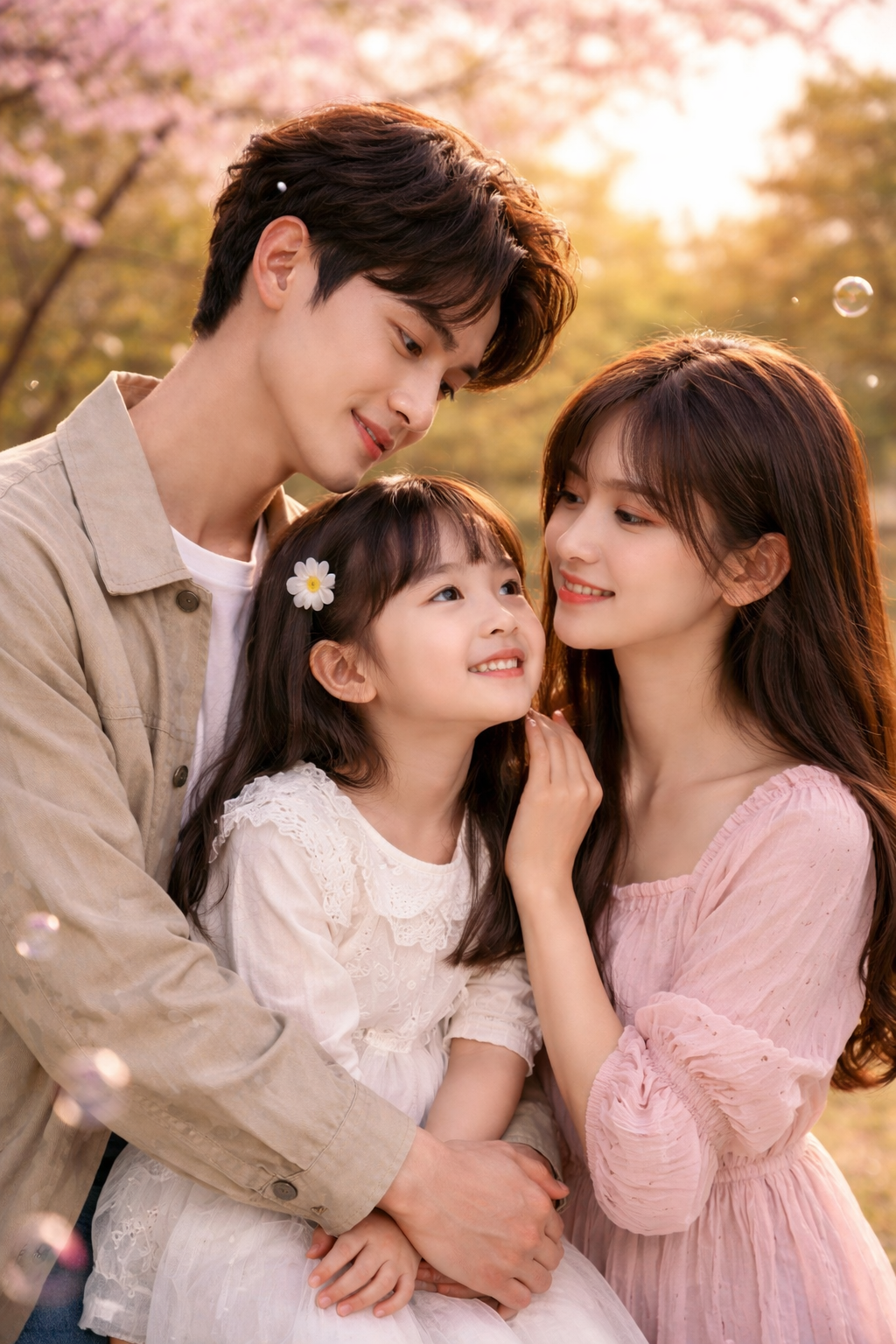
Stories and films with a family-centered theme are among the most emotionally relatable genres for readers and viewers of all generations. This is because family forms the foundation of everyone’s life, where real emotions such as love, responsibility, forgiveness, and conflict naturally converge. Unlike fantasy or action-driven narratives, family-centered stories reflect everyday human experiences that audiences instinctively understand.
These narratives do not rely on spectacle or complex plot twists. Instead, they draw their strength from emotional authenticity, making them timeless and universally meaningful.
Why Family Stories Feel So Real
Family relationships are the first emotional connections people experience. From childhood through adulthood, family shapes values, identity, and emotional responses. When films and stories explore these relationships, viewers often see reflections of their own lives.
Because family dynamics include both warmth and conflict, these stories feel honest rather than idealized. They portray love alongside misunderstanding, sacrifice alongside frustration, and connection alongside emotional distance. This emotional balance is what makes family-centered narratives deeply relatable.
Audiences do not need special cultural knowledge or genre familiarity to connect with these stories. The emotions portrayed are universal.
Core Themes in Family-Centered Narratives
Family-focused stories often revolve around a set of recurring themes that mirror real life:
- Love and Care: Emotional support expressed through actions rather than words
- Responsibility: Parents, children, or siblings carrying emotional and moral obligations
- Conflict and Misunderstanding: Generational gaps, differing values, or unresolved past issues
- Forgiveness and Healing: Emotional growth through understanding and reconciliation
- Sacrifice: Choosing family well-being over personal desire
These themes resonate because they reflect emotional truths rather than fictional ideals.
Character-Driven Storytelling
One of the greatest strengths of family-centered films is character depth. Characters are often portrayed as imperfect, emotionally complex individuals rather than heroes or villains.
Parents may struggle with expressing love, children may feel misunderstood, and siblings may experience rivalry or emotional distance. These imperfections make the characters feel human, allowing viewers to empathize with their struggles.
Rather than focusing on dramatic confrontation, many family stories highlight quiet emotional moments — a shared meal, a difficult conversation, or a silent act of care. These moments often carry the greatest emotional weight.
Visual and Emotional Atmosphere
Cinematically, family-centered stories often adopt a grounded and intimate visual style. Natural lighting, familiar environments, and close-up shots are commonly used to emphasize emotional closeness and vulnerability.
Music is typically subtle and emotionally supportive rather than overpowering. Silence is frequently used as a storytelling tool, allowing emotions to surface naturally without forced dialogue.
These artistic choices enhance realism and emotional immersion, making the story feel sincere and emotionally impactful.
Why Family Stories Appeal to All Generations
Family-centered narratives connect with viewers regardless of age because family relationships evolve throughout life. Younger audiences may relate to themes of guidance and conflict, while older viewers connect with responsibility, regret, or reconciliation.
These stories also encourage reflection. Viewers often compare the characters’ experiences with their own family relationships, leading to emotional engagement that extends beyond the screen.
In an era dominated by fast-paced content, family-focused stories offer emotional grounding and meaningful connection.
Examples of Family-Centered Storytelling in Cinema
Many films across different cultures have gained recognition for their portrayal of family dynamics:
- Shoplifters – Explores unconventional family bonds and emotional survival
- The Farewell – Highlights cultural values, love, and unspoken emotion
- Like Father, Like Son – Examines parenthood, identity, and emotional choice
- Minari – Portrays resilience, migration, and generational connection
These films succeed not because of dramatic spectacle, but because of emotional honesty.
Final Thoughts
Family-centered stories remain powerful because they reflect the emotional foundation of human life. Through realistic characters, meaningful themes, and emotionally grounded storytelling, these narratives offer more than entertainment — they offer understanding and empathy.
For readers and viewers seeking depth, connection, and emotional truth, family-focused films and stories continue to stand as some of the most impactful and enduring forms of storytelling.
💬 What kind of family-centered story resonates most with you — reunion, sacrifice, or healing? Share your thoughts in the comments below.