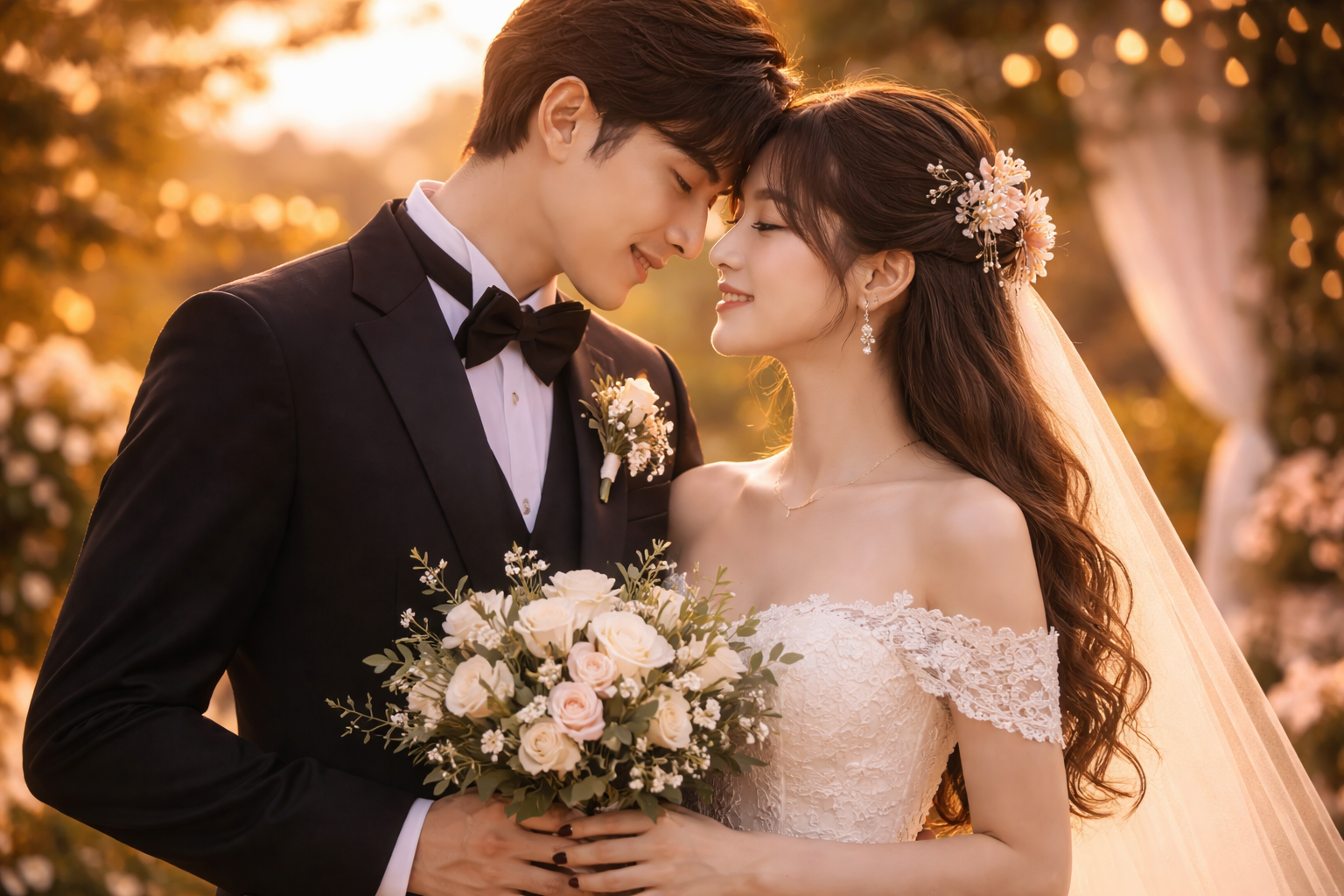
Dramas that begin with marriage have become increasingly popular in recent years, especially in romantic series and short-form storytelling. Unlike traditional love stories that focus on dating and courtship, these dramas start after a legal or social commitment has already been made. This narrative choice allows storytellers to explore deeper emotional territory and reflect more realistic relationship dynamics.
The appeal of marriage-first dramas lies not only in their fresh structure, but also in the meaningful themes they consistently explore. Below are the most common and powerful themes that define this genre and explain why audiences connect with it so strongly.
1. Love That Grows After Commitment
One of the central themes in marriage-first dramas is the idea that love does not always come before commitment. Instead, emotional connection develops gradually after marriage through shared experiences, responsibility, and understanding.
These stories challenge the romantic ideal that love must be immediate and passionate. They suggest that:
- Love can be built through patience
- Emotional intimacy grows over time
- Commitment can create space for genuine connection
This theme resonates with viewers who value emotional realism over fantasy.
2. Emotional Distance and Gradual Healing
Many marriage-first dramas begin with emotional distance between the main characters. The marriage may be arranged, contractual, or based on misunderstanding, leading to awkwardness and emotional restraint.
As the story progresses, characters slowly confront:
- Miscommunication
- Emotional barriers
- Past wounds or trauma
Healing occurs through everyday interaction rather than dramatic confrontation. This slow emotional progression creates authenticity and deepens audience engagement.
3. Everyday Life as Emotional Storytelling
Unlike dating-based romances that focus on special moments, marriage-first dramas often highlight ordinary daily life. Shared meals, household responsibilities, and quiet conversations become the foundation of emotional development.
This theme emphasizes that:
- Love is expressed through actions, not just words
- Small gestures can carry great emotional meaning
- Intimacy is built in routine moments
By focusing on everyday life, these dramas feel relatable and grounded.
4. Responsibility and Emotional Maturity
Marriage-first narratives frequently explore responsibility as a central theme. Once married, characters can no longer act solely based on personal desire. They must consider the emotional well-being of their partner.
This leads to themes such as:
- Learning compromise
- Accepting accountability
- Balancing independence with partnership
Audiences appreciate this maturity, as it reflects real adult relationships rather than idealized romance.
5. Misunderstanding and Communication
Miscommunication is a recurring theme in marriage-first dramas. Because the relationship begins without full emotional understanding, misunderstandings often arise.
These stories explore:
- The consequences of silence
- Emotional assumptions
- The importance of honest communication
Rather than using misunderstandings as cheap plot devices, many marriage-first dramas use them to highlight emotional growth and self-awareness.
6. Personal Growth Within a Relationship
Marriage-first dramas often place strong emphasis on individual character development. Characters are forced to confront their flaws, fears, and emotional limitations while navigating a committed relationship.
Growth may include:
- Learning empathy
- Letting go of pride
- Developing emotional vulnerability
This dual focus on personal and relational growth adds depth to the narrative and makes character arcs more satisfying.
7. Family Expectations and Social Pressure
Another common theme is the influence of family and society. Many marriage-first stories involve:
- Parental pressure
- Social expectations
- Cultural norms surrounding marriage
These external forces add emotional tension and realism, especially in societies where marriage carries significant social meaning. The conflict between personal emotion and social responsibility creates compelling drama.
8. Subtle Emotional Expression
Marriage-first dramas often rely on restrained emotional expression rather than grand romantic gestures. Silence, hesitation, and unspoken feelings play a major role in storytelling.
This subtlety:
- Enhances emotional realism
- Allows viewers to interpret emotions naturally
- Creates a calm but emotionally rich viewing experience
Audiences who prefer slow-burn romance are particularly drawn to this approach.
9. Effectiveness in Short-Drama Formats
The marriage-first structure works especially well in short dramas. Because the relationship is established early, storytellers can focus immediately on emotional conflict and growth without lengthy setup.
This makes the format ideal for:
- Mobile viewing
- Short episodes
- Fast emotional engagement
Viewers quickly understand the premise and become invested from the start.
Final Thoughts
Dramas that begin with marriage succeed because they explore relationships from a mature and emotionally honest perspective. By focusing on growth after commitment, emotional healing, and everyday intimacy, these stories offer depth that goes beyond traditional romantic narratives.
The themes found in marriage-first dramas reflect real-life relationships, making them relatable, comforting, and emotionally rewarding. As audiences continue to seek meaningful storytelling, this genre is likely to remain a powerful and enduring form of romantic drama.
Many short dramas are released on platforms like iQIYI and Youku, which focus on mobile-first storytelling.
💬 Which theme in marriage-first dramas resonates with you the most—emotional growth, realism, or everyday intimacy? Share your thoughts in the comments below.
You May Also Like
The First Frost – Short Drama Review