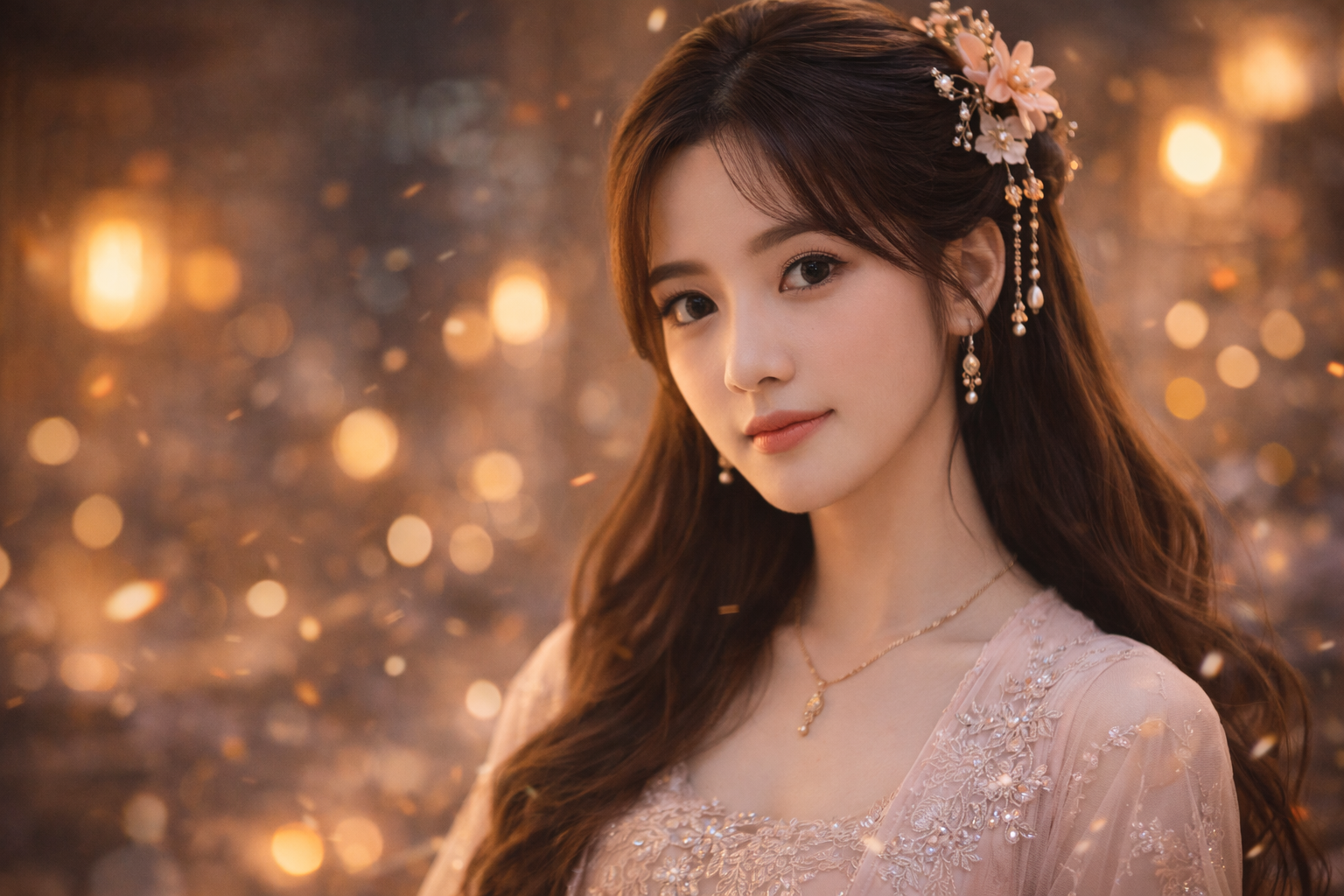
In recent years, films with female lead characters—especially dramas, romantic stories, and short series—have achieved remarkable popularity and consistently high viewership. This phenomenon is not simply a passing trend driven by marketing or temporary audience curiosity. Instead, it reflects deeper changes in audience expectations, social dynamics, and psychological needs.
Stories centered on female characters often feel more emotionally grounded, realistic, and relatable. As viewers seek narratives that reflect real human experiences, female-led films have become increasingly influential in modern cinema.
1. Changing Social Perspectives and Representation
One of the key reasons behind the popularity of female-led films is the evolving perception of women’s roles in society. Audiences today are more interested in stories that reflect independence, personal growth, and emotional complexity rather than one-dimensional stereotypes.
Female protagonists are no longer limited to supporting roles or romantic interests. Instead, they are portrayed as individuals with:
- Clear ambitions and personal goals
- Emotional depth and inner conflict
- Strength balanced with vulnerability
These representations align with modern social values, making such films feel timely and relevant.
2. Strong Emotional Relatability
Female-led films often emphasize emotional realism. Rather than focusing solely on external action, they explore internal struggles such as self-doubt, resilience, love, loss, and healing.
This emotional focus resonates strongly with audiences because:
- Feelings are expressed through subtle interactions
- Emotional growth feels earned rather than sudden
- Characters react in ways that mirror real-life experiences
As a result, viewers—regardless of gender—find these stories easier to connect with on a personal level.
3. Psychological Appeal to Viewers
From a psychological perspective, audiences are naturally drawn to characters who experience visible emotional journeys. Female protagonists are often written with layered emotional arcs, allowing viewers to witness transformation over time.
These films commonly explore:
- Identity and self-discovery
- Emotional resilience in the face of adversity
- Relationships shaped by communication and empathy
This depth creates emotional investment, encouraging viewers to reflect on their own lives and relationships.
4. More Complex and Realistic Character Writing
Another factor contributing to the popularity of female-led films is improved character writing. Female protagonists are increasingly portrayed as complex individuals rather than idealized figures.
They are allowed to:
- Make mistakes
- Experience fear and hesitation
- Grow through failure
This authenticity makes characters feel human rather than symbolic, strengthening audience engagement and trust in the narrative.
5. Strong Performance-Driven Storytelling
Female-led films often rely heavily on acting performance rather than spectacle. Emotional expression, dialogue delivery, and subtle body language play central roles in storytelling.
This performance-driven approach:
- Enhances emotional immersion
- Creates intimate viewing experiences
- Highlights the actor’s ability to convey depth
Audiences who value meaningful storytelling over visual spectacle are particularly drawn to this style.
6. Appeal Across Genres and Formats
Female lead characters have proven successful across multiple genres, including:
- Romantic dramas
- Family-centered stories
- Psychological thrillers
- Short-form series
In short dramas especially, female protagonists help establish emotional context quickly. Their perspectives allow stories to move efficiently while maintaining emotional clarity, which is crucial in limited runtimes.
7. Notable Examples of Female-Led Films
Several films have gained widespread recognition for their strong female protagonists:
- Little Women – Explores ambition, family, and individuality
- Nomadland – Focuses on resilience and self-discovery
- Hidden Figures – Highlights strength, intelligence, and perseverance
These films succeeded not because of trends, but because their stories felt authentic and emotionally resonant.
🔮 8. Audience Demand for Meaningful Stories
Modern audiences increasingly prioritize emotional substance over spectacle. Films with female leads often address real-life challenges such as:
- Balancing personal desire and responsibility
- Navigating relationships and identity
- Overcoming emotional and social barriers
This focus on meaning and realism aligns with the growing demand for thoughtful, character-driven narratives.
Final Thoughts
The popularity of films with female lead characters reflects a broader transformation in storytelling. Audiences are no longer satisfied with surface-level narratives—they seek emotional truth, realism, and personal connection.
By offering emotionally rich stories, complex characters, and relatable experiences, female-led films have secured a lasting place in modern cinema. Their success is not temporary, but a natural response to changing audience values and deeper storytelling expectations.
Many short dramas are released on platforms like iQIYI and Youku, which focus on mobile-first storytelling.
💬 Do you prefer films with strong female protagonists? Which story left the strongest impression on you? Share your thoughts in the comments below.
You May Also Like
The First Frost – Short Drama Review